




If stray dogs in India were truly aggressive by nature, our streets would already be unlivable.
Yet millions of people walk past them every single day.
So why does the fear still exist?
This question makes many uncomfortable, because the real answer shifts responsibility—from dogs to humans.
The Biggest Myth About Stray Dogs in India
The most common belief is simple and wrong:
“Stray dogs are violent and unpredictable.”
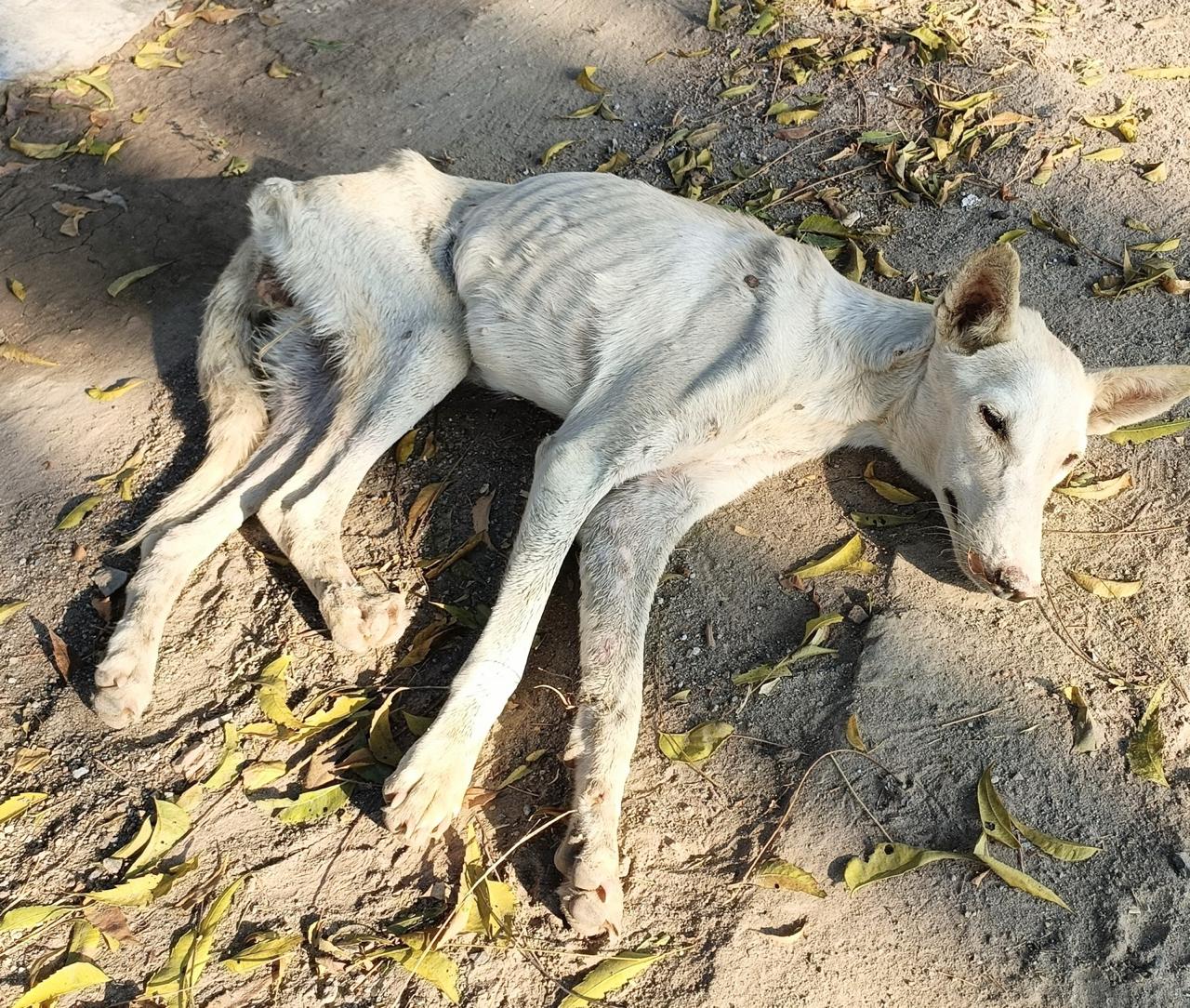
In reality, stray dogs respond to their environment. They mirror how humans treat them. A dog that is ignored, kicked, chased, or constantly threatened does not become friendly—it becomes defensive.
That’s not aggression.
That’s survival.

What Actually Makes a Stray Dog React?
Stray dogs do not wake up wanting to bite or attack. Most reactions come from:
-
Constant stone-throwing or abuse
-
Being chased away while eating
-
Loud threats and sudden movements
-
Territorial fear created by repeated hostility
Imagine living every day unsure if the next human interaction will hurt you. Fear becomes instinct.
Feeding Is Not Enough (And This Is Where Most People Get It Wrong)
Many well-meaning people believe feeding stray dogs solves the problem. Food is important—but it is only the beginning.
True care includes:
-
Respecting their space
-
Avoiding aggression or intimidation
-
Understanding body language
-
Supporting sterilization and vaccination
-
Creating coexistence, not conflict
A fed dog who is still threatened remains fearful. A dog who is respected becomes calm.
The Silent Role Stray Dogs Play in Our Cities
What few people acknowledge is that stray dogs protect the ecosystem:
-
They control rat populations
-
They reduce garbage overflow by scavenging
-
They alert neighborhoods to danger at night
Remove them suddenly, and other problems rise.
Stray dogs are not invaders.
They are part of the urban balance.
Rescue Stories Tell the Real Truth
Every rescued and adopted stray dog shares the same pattern:
-
Fearful at first
-
Gradually trusting with kindness
-
Calm and loyal once safe
Aggression disappears when fear disappears.
This alone proves one thing:
Stray dogs are not born dangerous. They are made fearful.
The Question We Should Be Asking
Instead of asking:
“Why are stray dogs aggressive?”
We should ask:
“What are we doing that makes them afraid?”
When humans change their behavior, the dogs change too.
A Different Way Forward
Education is the real solution.
Not fear.
Not removal.
Not punishment.
When people learn how to coexist, respect, and take responsibility, streets become safer—for everyone.
Stray dogs don’t need hatred.
They need understanding.
And understanding starts with truth.